Tree & Branch Waste Winnipeg: Bin Rental & Elm Rules
- Branches, brush, and non-elm tree debris can go in an Ecobins & Cartage rental bin: it is accepted material in a standard C&D or cleanout bin
- Elm wood is regulated under Manitoba’s Forest Health Protection Act: storing elm wood is illegal, and disposal must follow specific approved methods
- Elm wood cannot go in a standard bin for disposal at a general facility: it must go to Brady Road Resource Management Facility, be chipped on site, or be burned on site with a permit
- Heavy hardwood logs and large-diameter pieces add significant weight to a bin load; tipping fees at $99 per metric tonne apply to actual load weight
- Rakowski Recycling operates a wood recycling plant at 1229 Redonda St that accepts construction and demolition wood, including tree debris, and converts it to biomass fuel and landscape mulch
The Short Answer: Most Tree Debris Goes in a Bin
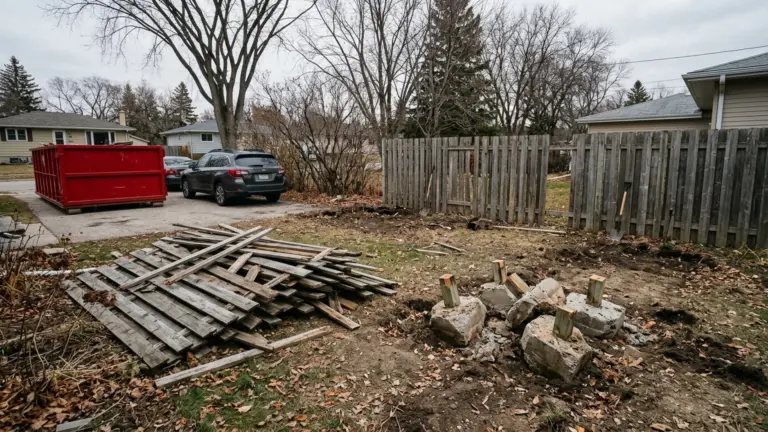
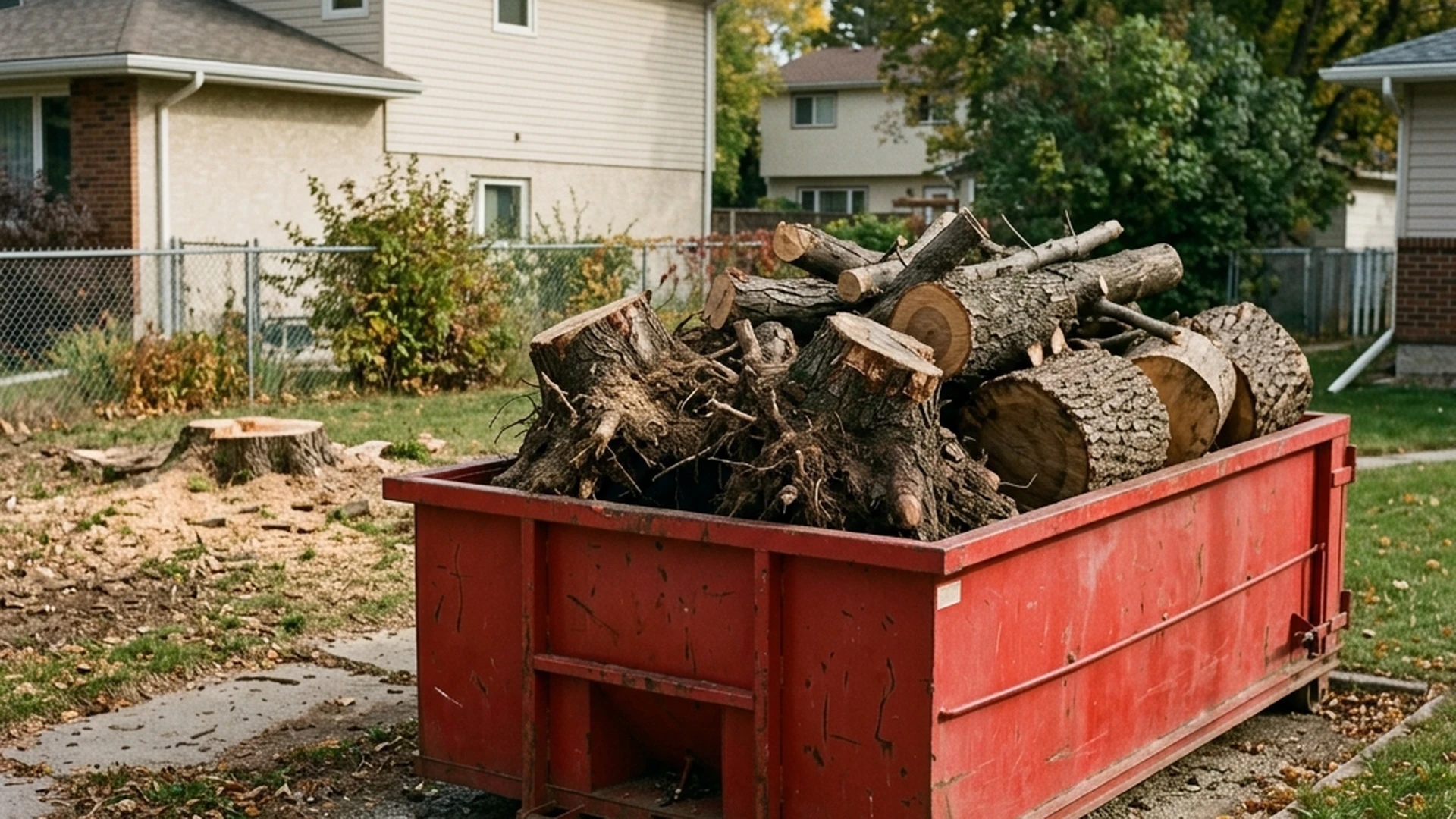
The majority of tree and branch removal waste from Winnipeg residential properties can go in a standard Ecobins & Cartage bin without any special handling. Branches, brush piles, dead shrubs, tree stumps (within size limits), and non-elm wood material from pruning or full tree removal are all accepted.
The situation that requires special attention is elm wood. Manitoba’s elm wood regulations are a hard constraint that every Winnipeg homeowner dealing with elm removal needs to understand before disposal begins. That section follows. If your tree is not an elm, a bin handles the disposal straightforwardly.
Elm Wood: Manitoba’s Regulations Are Not Optional
The elm is Winnipeg’s most iconic urban tree and also the one with the most regulated disposal in the province. Dutch elm disease, caused by the Ophiostoma fungus spread by the native elm bark beetle, has been managed in Manitoba since 1975 under active provincial programs. The storage and movement of elm wood is regulated because the bark beetle breeds in dead and dying elm material, elm wood left in a pile, whether logs, branches, or firewood, is a beetle breeding site that extends the disease cycle.
What Manitoba’s Forest Health Protection Act Requires
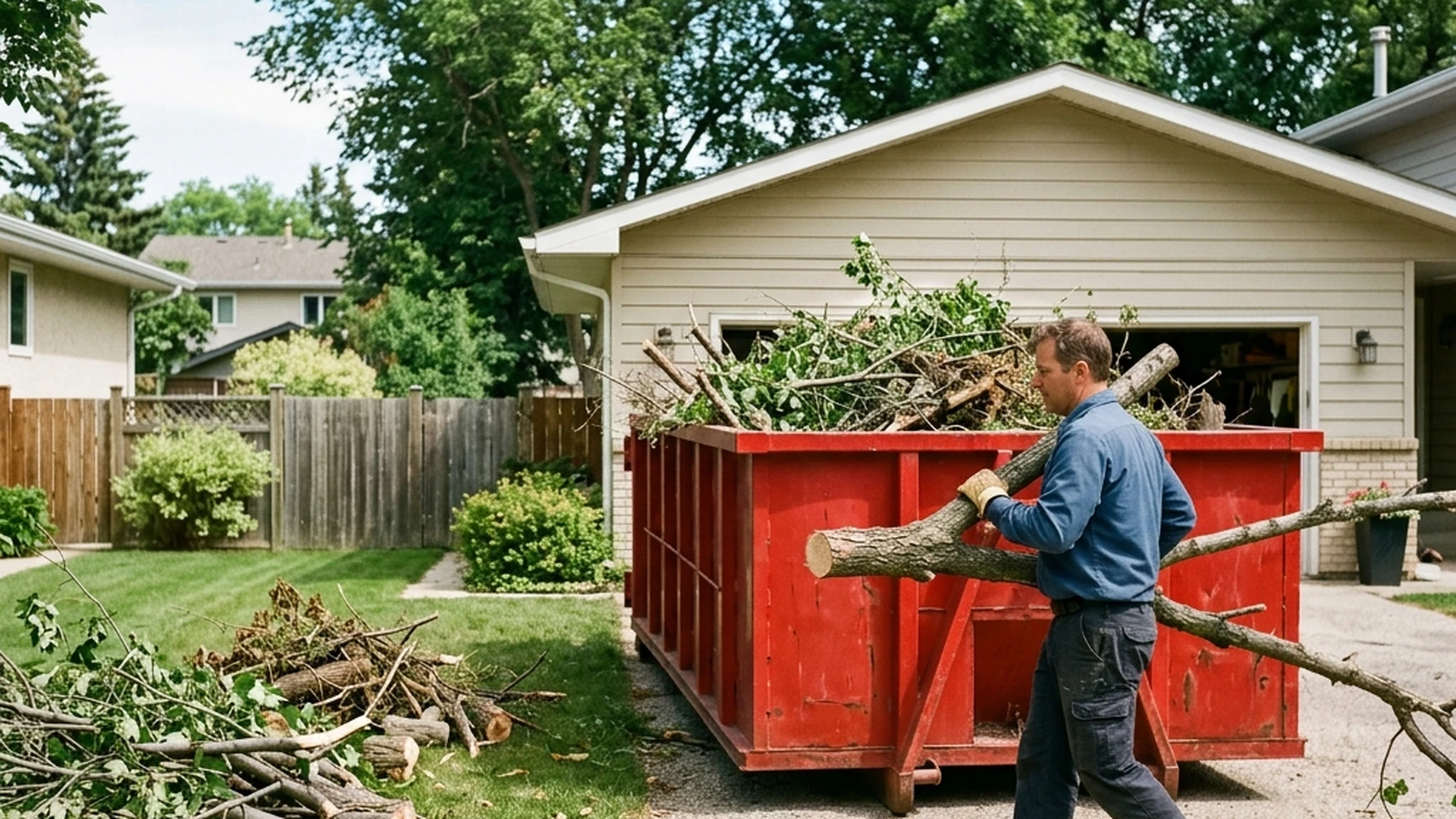
Storing elm wood in Manitoba is illegal unless it has been properly treated. This applies to all elm material: branches, logs, and stumps. You cannot stack elm wood in your yard as firewood, leave it in a pile awaiting pickup, or hold it for any extended period.
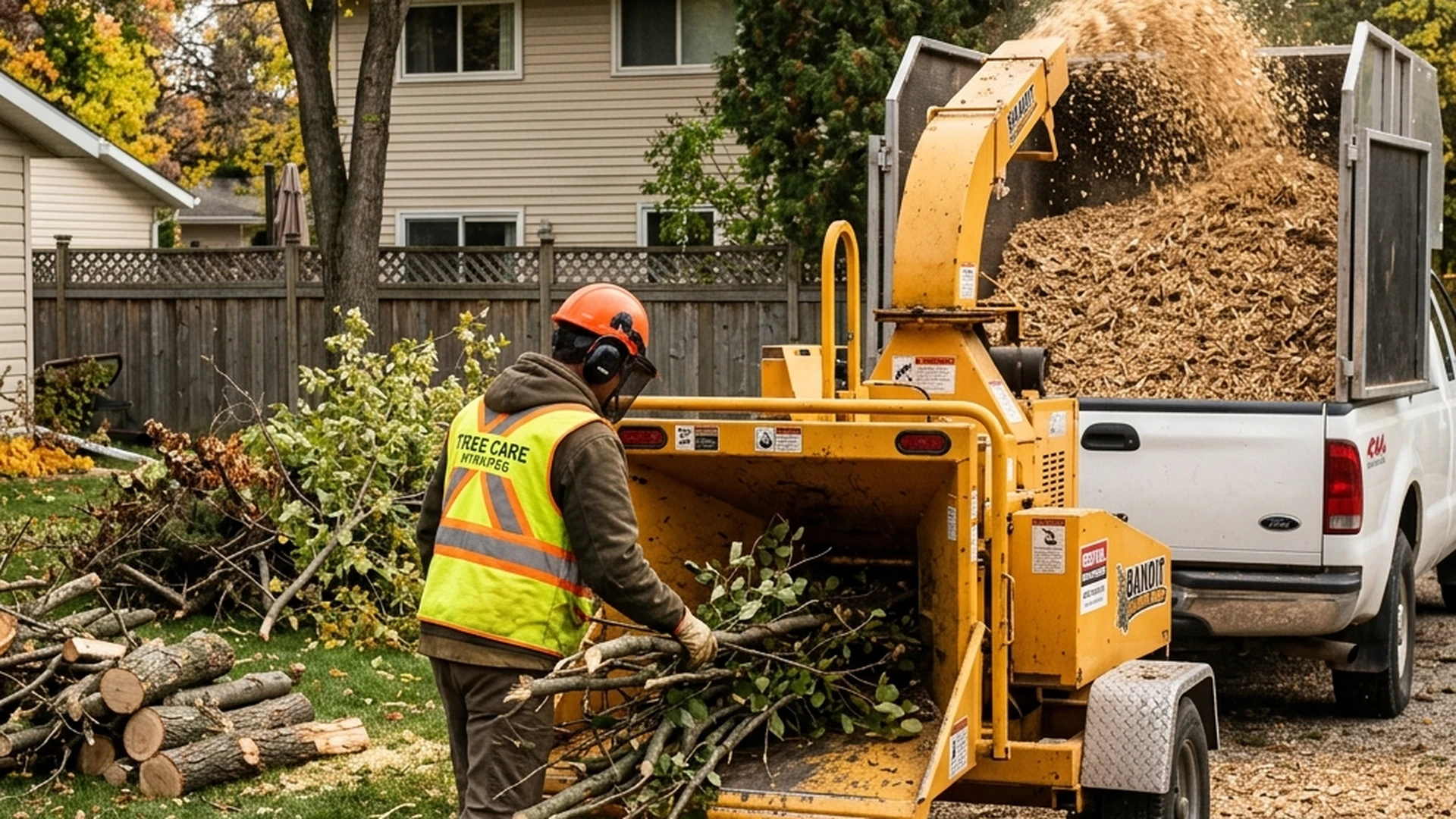
- Chip the wood on site into small pieces: the official guidance from the City and Province is to chip elm material down rather than leave it in log or branch form. Fresh elm chips can still harbour bark beetles for a period after chipping; some provincial Dutch elm disease programs recommend chips be destroyed promptly or stockpiled for a full year before any other use. Confirm current handling guidance with the City of Winnipeg or Manitoba Forest Health Protection program before assuming chipped material is fully clear.
- Transport directly to Brady Road Resource Management Facility or an approved 4R Winnipeg Depot for disposal
- Burn on site with an Open Air Fire Permit from the Winnipeg Fire Paramedic Service, following all burn permit conditions including wind speed restrictions
Elm wood cannot go in a standard disposal bin. A standard rental bin picked up for disposal at a general facility is not an approved elm disposal method in Winnipeg. Elm material going to a general C&D disposal facility does not comply with the approved disposal options under the Forest Health Protection Act.
If you are having elm trees or branches removed by a tree service, confirm with the contractor that they are licensed to handle elm disposal and are using approved disposal methods. If you are removing branches yourself, chip them on site or take them directly to Brady Road.
Elm Pruning Season Restriction
An additional consideration: elm pruning is prohibited in Manitoba from April 1 to July 31 each year. During this period, elm bark beetles are active and freshly cut elm wood attracts them, increasing disease transmission risk. If you are planning elm work on your property, it must be done outside this window (August 1 through March 31) or you risk creating a disease pathway and violating provincial rules.
For current elm disposal and pruning information, see the City of Winnipeg Dutch elm disease page or contact the City Urban Forestry branch. The provincial program is managed under the Forest Health Protection Act.
Non-Elm Tree Debris in a Bin: What to Know
What Goes In
- Branches and brush from pruning and removal: accepted in a standard bin
- Tree stumps: accepted if they fit in the bin and the overall weight is within limits. Large stumps are heavy and add significantly to tipping fees.
- Dead shrubs and hedge material: accepted
- Leaves and fine yard debris combined with branch material: accepted in a cleanout or yard waste bin
Weight and Tipping Fees
Green wood and large-diameter branches are heavier than most homeowners expect. A cubic metre of freshly cut hardwood (ash, oak, elm-sized species) can weigh 700 to 900 kg. A bin load that is primarily large-diameter green hardwood branches will generate tipping fees at $99 per metric tonne based on actual weight at the facility scale.
For a spring cleanup with smaller branches and light pruning debris, the weight rarely becomes a cost issue. For a major tree removal, the weight of the material can generate tipping fees that significantly exceed the bin rental cost. Mention the scope of the tree removal when booking so Ecobins & Cartage can advise on appropriate bin size and set expectations on tipping fee range.
Tree Stumps
Stumps can go in a bin but are weight-dense. A medium-diameter stump from a mature tree can weigh several hundred kilograms on its own. For a bin load that is primarily stumps, the bin may reach weight limits before volume limits. Describe stump quantity and approximate size when booking.
Wood Recycling: An Alternative for Clean Wood
Like concrete, clean wood material has diversion options that keep it out of the landfill and convert it to a useful product. Rakowski Recycling operates a wood recycling plant at 1229 Redonda St in Winnipeg that processes construction and demolition wood waste, including tree debris, into biomass fuel and landscape mulch. Rakowski’s wood recycling facility accepts clean wood material. Check with them directly on current acceptance conditions for tree debris specifically.
The City of Winnipeg’s composting programs also accept yard waste and small branches through seasonal collection. For the most current drop-off and pickup options, contact 311 or check the City of Winnipeg website for current yard waste programs.
Self-hauling clean wood to a recycler is most practical for contractors and homeowners with a truck and trailer. For residential customers who just want the material gone, a bin is the most convenient option and Ecobins & Cartage handles appropriate routing.
Bin Sizing for Tree Removal Projects
| Project Type | Recommended Bin | Notes |
|---|---|---|
| Spring pruning, light brush cleanup | 8-yard ($250) | Fine branches, hedge trimmings, light debris |
| Full shrub or small tree removal | 8 to 12-yard ($250 to $275) | Increases if stumps or large root balls are included |
| Single large tree removal (non-elm) | 12 to 20-yard ($275 to $300) | Large-diameter material is weight-heavy; mention at booking |
| Multiple tree removal | 20-yard ($300) or multiple loads | Describe scope at booking for advice on volume and weight |
All bins are 7-day rentals. Additional days at $10 per day. Tipping fees at $99 per metric tonne on actual load weight. For elm wood, do not use a general bin; see the elm disposal section above.
FAQ: Tree Debris Disposal in Winnipeg
Can I mix tree branches with other renovation debris in the same bin?
Yes. Mixed loads of branches, brush, and renovation debris are accepted in a standard C&D or cleanout bin. Keep elm wood out of the mix regardless: elm disposal requirements apply even when the elm material is a minor portion of a larger load.
What if my tree removal contractor says they handle the wood?
Confirm what “handle” means specifically. A contractor who chips on site and removes the chips is handling elm disposal correctly (assuming the chips meet the spec). A contractor who says they will take the logs to their yard and deal with them later may not be following elm disposal rules. For any elm removal, ask the contractor explicitly: what is the disposal method, and is it an approved method under the Forest Health Protection Act? Get the answer before the tree comes down.
Is it legal to use elm wood as firewood?
No. Storing elm wood is explicitly illegal under Manitoba’s Forest Health Protection Act. Elm cannot be stored as firewood. Elm can be burned on site with an Open Air Fire Permit, but it cannot be stockpiled and used later. Any stored elm on a property is subject to removal orders from provincial inspectors.
Book a Bin for Tree Removal Waste
Describe your project including any elm material, approximate tree size, and whether stumps are involved. 7-day rental from $250. Tipping fees at $99 per metric tonne on actual load weight.
Book a Bin Online Call (431) 317-8581